Daily Vigraha-sevā: Caring for the Deity at Home

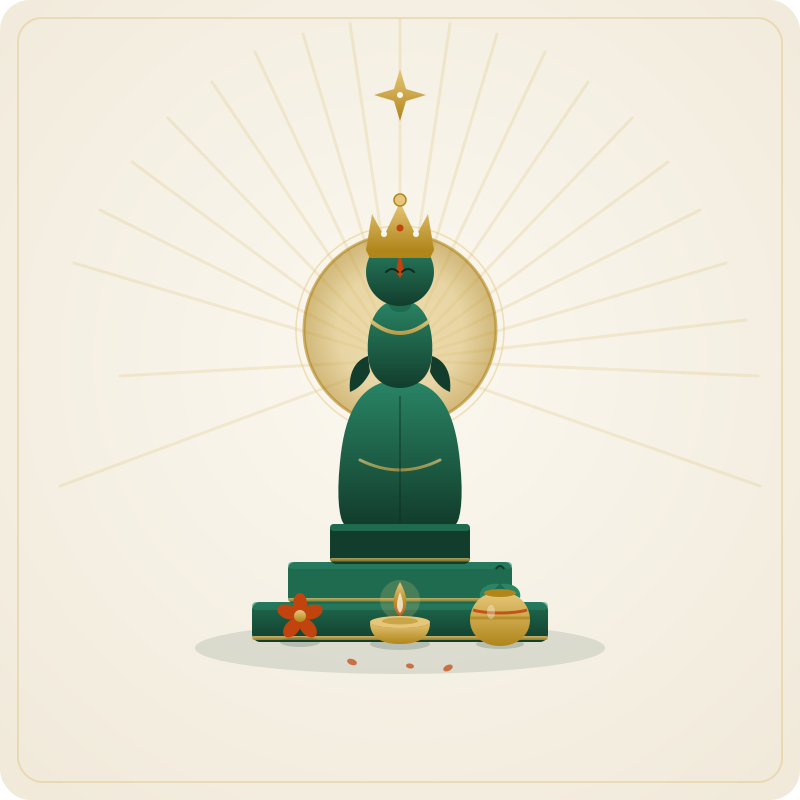
To install a vigraha in your home is to accept the sweetest of responsibilities. The Lord agrees to appear before us in a form our eyes can hold — arcā-vigraha, the worshippable Deity — not because He needs our service, but so that we may learn to love. Daily vigraha-sevā is therefore not a ritual burden but a relationship: the Supreme Person becomes a member of the household, and the household reorganises its day around His pleasure. What follows is a gentle framework for the sincere gṛhastha who wishes to serve steadily amid work, family, and the demands of modern life.
patraṁ puṣpaṁ phalaṁ toyaṁ yo me bhaktyā prayacchati — “Whoever offers Me a leaf, a flower, a fruit, or water with devotion, that offering of love I accept.” (Bhagavad-gītā 9.26)
Begin with maṅgala-ārati and awakening
Treat the Deity as you would an honoured, beloved guest who never leaves. In the early morning, after your own bath, gently awaken the Lord, open the altar, and offer maṅgala-ārati. A simple, sustainable rhythm serves better than an elaborate one abandoned within a month.
- Bathe and wear clean cloth before entering the altar room; keep the space swept and fragrant.
- Offer a lamp (dīpa), incense (dhūpa), a fresh flower, and pure water.
- Chant the Deity’s names or your guru-given mantra while offering, keeping the mind attentive and the heart soft.
Snāna, vastra, and the offering of bhoga
Through the day the sevā follows the Lord’s own comfort. Bathe the vigraha as prescribed for its substance (metal, stone, or śālagrāma-śilā each have their care), dress Him freshly, and offer bhoga at mealtimes.
- Cook and offer only pure vegetarian food, prepared cleanly and never tasted beforehand — it is His plate, not ours, until offered.
- Offer with a short prayer, then honour the remnants as prasāda, sanctified mercy for the whole family.
- Change flowers and refresh water daily; keep tulasī near Viṣṇu-tattva Deities, for no offering to the Lord is complete without her leaf.
Regularity, humility, and rest
The heart of sevā is niyama — steadiness. The Lord is not measured by opulence but by the devotion behind the smallest act. In the evening offer sandhyā-ārati, and at night lovingly put the Deity to rest.
- Fix a schedule your life can truly sustain, and hold to it even on tired days.
- If a day’s standard cannot be met, offer sincerely and beg forgiveness for shortcomings — never abandon the sevā out of guilt.
- Observe the Deity’s calendar: Ekādaśī, appearance days, and festivals deepen the household’s bond with the Lord.
Vigraha-sevā, taken up humbly, slowly transforms a house into a temple and a family into servants of the Supreme. If you wish to install a Deity, learn the proper standards of daily worship, or receive guidance suited to your family and home, our ācāryas at Divyāya would be glad to help — do reach out to enquire or book a consultation, and let us serve the Lord together.



Responses